

Family-Friendly Games That Encourage Learning and Fun

Board games have been a beloved pastime for generations. They offer more than just entertainment; they are a gateway to learning and family bonding. In our fast-paced, digital world, gathering around a table for a board game can bring families closer and create lasting memories. Let’s delve into some of the best family-friendly board games that encourage both learning and fun.
The Importance of Family Game Nights
Benefits of Quality Family Time
Family game nights are an excellent way to spend quality time together. They provide an opportunity to disconnect from screens and engage in face-to-face interaction. These moments strengthen family bonds, foster communication, and create a sense of unity. Children especially benefit from this time, feeling more connected to their parents and siblings.
Encouraging Lifelong Learning
Board games are not just about fun; they are also a fantastic educational tool. Many games are designed to enhance cognitive skills, such as problem-solving, critical thinking, and strategic planning. By incorporating these games into family time, parents can instil a love of learning in their children that lasts a lifetime.
Top Family-Friendly Board Games for Young Children
Games for Ages 3-5
For the youngest members of the family, games need to be simple, engaging, and educational. Games like “Candy Land” and “Chutes and Ladders” teach basic counting and colour recognition. “The Sneaky, Snacky Squirrel Game” helps develop fine motor skills and encourages turn-taking and patience.
Games for Ages 6-8
As children grow, their ability to understand more complex rules increases. Games like “Guess Who?” and “Connect 4” enhance memory and strategic thinking. “Uno” is a fantastic game for this age group, teaching numbers and colours while promoting friendly competition and family interaction.
Educational Board Games for Tweens
Enhancing Critical Thinking Skills
Tweens are at a stage where they can handle more complex games that require critical thinking. Games like “Clue” and “Catan Junior” are perfect for this age group. These games challenge players to think ahead, plan their moves, and solve problems creatively.
Promoting Cooperative Learning
Cooperative games are an excellent way to teach tweens the value of teamwork. “Pandemic” and “Forbidden Island” require players to work together to achieve a common goal, promoting collaboration and communication skills. These games show that winning isn’t always about individual success but about working as a team.
Strategy Games for Teens and Adults
Developing Strategic Thinking
Teens and adults can enjoy more intricate games that require deep strategic thinking. Games like “Ticket to Ride” and “Settlers of Catan” are excellent choices. These games involve resource management, long-term planning, and adaptability, making them both challenging and rewarding.
Encouraging Healthy Competition
While competition can sometimes lead to tension, it can also be a healthy and enjoyable aspect of gaming. Games like “Risk” and “Carcassonne” provide a platform for friendly rivalry, where players can test their skills against one another. This not only makes the game more exciting but also teaches valuable lessons about sportsmanship and resilience.
Games That Teach Specific Subjects
Maths and Science Games
Games that focus on maths and science can make these subjects more accessible and enjoyable. “Prime Climb” and “The Game of Life” incorporate mathematical concepts in a fun and engaging way. “Cytosis: A Cell Biology Game” and “Evolution” are excellent choices for science enthusiasts, making complex topics more relatable and exciting.
History and Geography Games
Learning about history and geography can be fascinating when presented through games. “Timeline” and “Ticket to Ride” offer a fun way to explore historical events and geographical knowledge. These games make learning about different cultures and eras an interactive and enjoyable experience.
Choosing the Right Game for Your Family
Considering Age and Interest
Selecting the right game for your family involves considering the ages and interests of the players. Younger children may need simpler games, while teens and adults can handle more complexity. It’s essential to choose games that everyone will enjoy and find engaging.
Balancing Fun and Education
The best educational games strike a balance between fun and learning. They should be engaging enough to hold players’ attention while providing educational value. Games that are too educational might feel like homework, while those that are too fun might lack educational content. Finding the right balance is key to a successful game night.
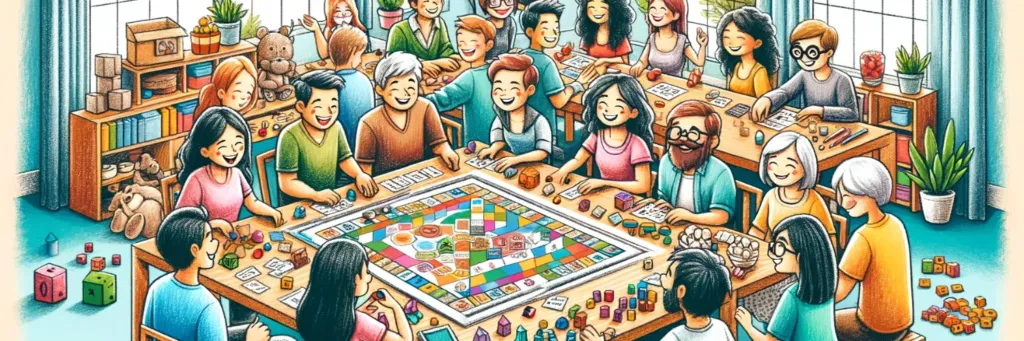
Creating a Fun and Inclusive Game Night Environment
Setting the Scene
Creating the right atmosphere for game night is crucial. Choose a comfortable, well-lit space where everyone can sit around a table. Snacks and drinks can add to the enjoyment, and a playlist of background music can set the mood. The goal is to create an inviting and relaxed environment where everyone feels comfortable.
Establishing Ground Rules
Setting some ground rules can help ensure that everyone has a good time. Decide on game night etiquette, such as taking turns, being respectful, and handling winning and losing gracefully. Clear rules can prevent disputes and ensure that the evening is enjoyable for all.
Conclusion
Family game nights are a wonderful tradition that combines fun and learning. By choosing the right games, you can create memorable experiences that bring your family closer together and foster a love of learning. Whether you’re playing with young children, tweens, or teens, there’s a perfect game out there for every family. So, gather around the table, roll the dice, and let the games begin!
14th May 2024