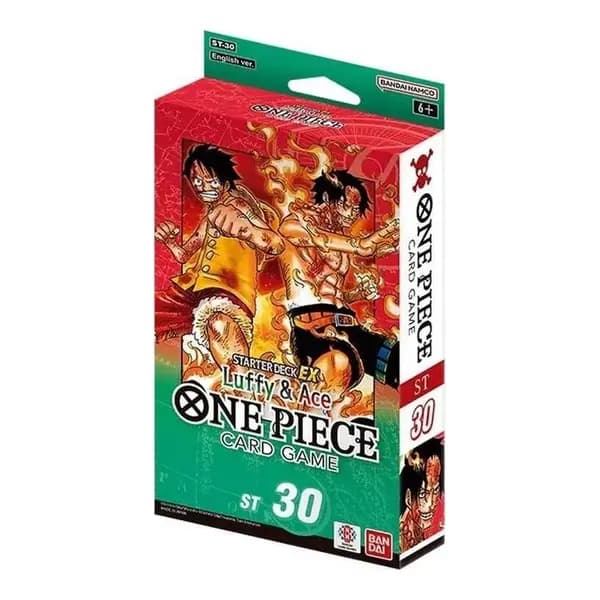
The One Piece Card Game has become one of the most talked-about trading card games in a short space of time. Built on a hugely popular series and backed by smart design, it has attracted both long-time card players and fans new to the hobby. Here is what makes it stand out and how to begin.
What is the One Piece Card Game?
The game lets players build decks led by a powerful Leader card, supported by characters, events and stage cards drawn from across the One Piece world. Matches are a duel between two crews, with each Leader bringing its own strengths and play style. The strong theme and bold artwork are a major draw for fans of the series.
How it plays
At its core the game is about attacking your opponent's Leader while defending your own. You use a resource system to play characters and events, send characters to attack, and your opponent can use cards from their hand to block. The back-and-forth of pressing an attack while managing your defences gives matches a satisfying rhythm that is easy to learn but rewards skill.
One clever twist is the life system. Your Leader has a row of life cards, and when it takes a hit you usually move a life card into your hand instead of losing outright. So taking damage also hands you more cards to fight back with. That tension, where falling behind on life gives you fresh options, keeps matches close and exciting.
Counters add another layer. When your opponent attacks, you can play counter cards from your hand to boost a character's power just for that clash, turning a likely loss into a survival. Reading when to spend cards on defence and when to hold them back for your own attack is a skill that grows the more you play.
Why it has grown so quickly
Several factors explain its rapid rise:
- A beloved source series with a huge existing fanbase.
- Accessible rules that newcomers can pick up quickly.
- Strong artwork that appeals to collectors as well as players.
- Ready-to-play decks that lower the barrier to entry.
This blend of theme, accessibility and collectability has fuelled its popularity.
Understanding the colours
Decks are built around colours, each with its own feel. Red tends to be aggressive, green focuses on resting opponents' characters, blue bounces cards back to hand, purple manages resources, and others bring their own tricks. A Leader sets which colours your deck can use, so picking a Leader whose style you like is the first real decision you make.