Introducing a young child to board games is a lovely milestone. Beyond the fun, early games quietly teach turn-taking, patience and recognising colours and shapes. The key is choosing games designed for little hands and short attention spans, so the experience stays happy for everyone.
What young children gain from games
Simple games do more than pass the time. For toddlers and preschoolers they help develop:
- Turn-taking and patience, waiting for your go is a real skill at this age.
- Colour and shape recognition, reinforced through play.
- Fine motor skills, from picking up and placing pieces.
- Coping with winning and losing, gently, with support.
These early lessons stick because they come wrapped in fun.
What to look for
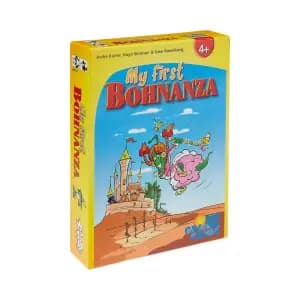
The best first games share some practical features. Look for chunky, durable pieces that are easy for small hands and safe to handle, rules simple enough to grasp in moments, and a short playing time of around ten to fifteen minutes. Bright, friendly artwork helps hold attention, and games that do not require reading are essential for this age.
It is also worth checking the age guidance on the box and being honest about your own child. Some three-year-olds happily sit through a short game, while others are not quite ready. There is no rush. A game met a few months later often lands far better than one pushed too early.
Quality matters as well. Thick, well-made boards and pieces survive being dropped, chewed and thrown, which all happens at this age. A sturdier game costs a little more but lasts through siblings and play dates, and it stays pleasant to handle rather than turning soft and tatty after a month. Choosing one good game over several flimsy ones is usually the better buy.
Cooperative games come first
For very young children, cooperative games, where everyone works together against the game, are often the gentlest introduction. They remove the disappointment of losing and let a child enjoy the shared goal. Once turn-taking and basic rules feel natural, you can introduce simple competitive games.
Popular styles for little ones
Several types of game suit preschoolers especially well:
- Colour and matching games that reinforce early learning.
- Simple memory games with pictures to find in pairs.
- First roll-and-move games with friendly themes.
- Quick reaction games designed for young children.
Many established ranges are made specifically for this age group and are a safe bet. First fruit-picking and orchard games, simple co-op themes, and gentle matching sets all turn up again and again in parents' recommendations for good reason.
Games that mix physical actions with simple rules tend to go down especially well. Stacking, balancing, posting shapes or popping out pieces all give a young child something to do with their hands, which holds attention far better than sitting and waiting. The best early games keep little ones busy and moving rather than expecting long stretches of stillness.